google-site-verification: googleac9738bdd85e6651.html
top of page
  • Writer: Professional Appliance Repair
    Professional Appliance Repair
  • Jul 16, 2025
  • 3 min read

Your dryer is an essential appliance in your home, making laundry day much easier. However, like all machines, it can develop problems over time. Recognizing the signs that your dryer needs professional help can save you time and money. In this post, we'll explore some of the key dryer problems to watch out for.


Common Dryer Problems


If your dryer isn’t working as it should, it can be frustrating. Understanding the common issues that can arise is the first step in diagnosing the problem. Here are some signs to keep an eye on:


  1. Drying Time is Extended: If you notice that your clothes are taking much longer than usual to dry, there may be a problem. This could be due to a clogged vent or duct, which is a common issue. The dryer might not be able to expel heat effectively, leading to longer drying cycles.


  2. Dryer Overheating: An overheating dryer can be dangerous. If your dryer feels extremely hot to the touch or your clothes are coming out hotter than normal, this may be a sign that there’s a problem with the heating element or airflow.


  3. Unusual Noises: If your dryer starts making loud or strange noises, it may indicate a mechanical issue. For example, a rumbling noise could suggest that a dryer drum roller is worn out. Similarly, squeaking or grinding sounds could point to a problem with the belt or motor.


Close-up view of a dryer drum with clothes inside
Dryer drum filled with clothes during a drying cycle

When to Call for Dryer Help


Being proactive about maintenance can extend the life of your dryer. However, if you notice any of the above issues, it may be time to seek professional help.


  1. Burning Smell: A burning smell emanating from your dryer is a serious problem. It could indicate that the lint trap is clogged or there’s another mechanical issue going on. This is not something to ignore—immediate action is required.


  2. Lint Buildup: If you regularly clean your lint trap but still have a build-up of lint in the vent or around the machine, this can be hazardous. Lint is flammable and can cause a fire. If you spot any significant accumulation, it’s imperative to call a dryer repair service to clean the venting system.


  3. Drum Won’t Spin: If you find that the dryer drum no longer spins, you may be facing a problem with the motor or belt. This issue can stop your dryer from functioning altogether, leaving you with a pile of damp laundry.


Eye-level view of a dryer with an open door showing wet clothes
Dryer showing wet clothes with an open door ready for drying

Additional Signs to Watch For


Here are some other indicators that your dryer might need expert attention. Keeping an eye out for these problems can help you catch issues before they turn into costly repairs.


  1. Dryer Stops Mid-Cycle: If your dryer unexpectedly stops during a cycle, it could be due to a defective thermostat or a faulty door switch. In this case, your clothes may not dry at all, and you’ll need an expert to resolve the malfunction.


  2. Constant Error Codes: Many modern dryers come equipped with error codes that display on the screen when something is wrong. Refer to your user manual to understand what these codes mean. If you see an error code, it is a good idea to get assistance.


  3. Noise When Drum is Empty: If you hear noises even when there are no clothes in the dryer, this isn't normal. It could indicate issues with the dryer’s internal components, such as the drum bearings or motor assembly.
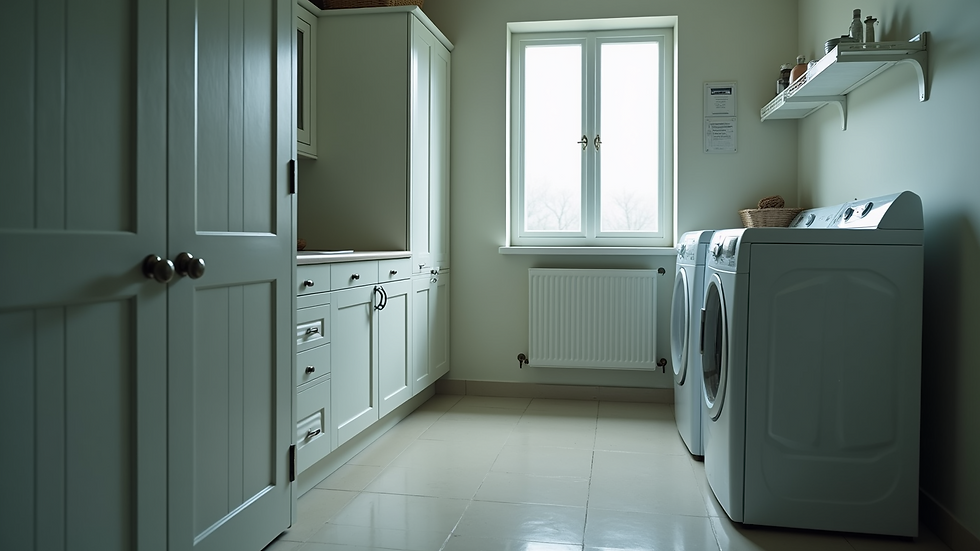

High angle view of a laundry room with dryer and washer
Laundry room with dryer and washer showing potential issues

Regular Maintenance Tips


Keeping your dryer in good condition involves regular maintenance. Here are some practical tips to follow:


  1. Clean the Lint Filter: Always clean the lint filter after each use. This will help with airflow and prevent overheating.


  2. Check the Venting System: Make it a routine to check your dryer’s vent and ducts periodically for any lint build-up or obstructions.


  3. Avoid Overloading: Overloading the dryer can lead to inefficient drying and put unnecessary stress on the machine. It’s better to dry smaller loads to allow for better air circulation.


  4. Inspect the Drums: Occasionally check the dryer drum for any foreign objects that may be trapped inside. These could lead to noise issues or potential mechanical failures.


Final Advice for Homeowners


Your dryer plays a crucial role in your household, so don't ignore the signs of wear and tear. If you experience any of the symptoms mentioned, seeking professional help quickly can lead to a solution that restores your dryer to working order. Regularly maintaining your appliance and being aware of how it operates can extend its life and keep your laundry routine smooth.


By being vigilant about the condition of your dryer and addressing problems as they arise, you can avoid expensive repairs and ensure your appliance works effectively. For those tricky issues, do not hesitate to reach out to a professional dryer repair service. They can assess the situation and provide the necessary assistance to get your laundry routine back on track.




  • Writer: Professional Appliance Repair
    Professional Appliance Repair
  • Jul 16, 2025
  • 3 min read

Investing in a high-end refrigerator is a smart choice for any modern kitchen. With their advanced features, energy efficiency, and stylish designs, these appliances can elevate your cooking experience. However, like any luxury item, they require proper care and maintenance to ensure longevity. In this blog post, we will explore essential tips for maintaining high-end refrigerators so you can enjoy their benefits for years to come.


Understanding High-End Refrigerators


High-end refrigerators are equipped with the latest technology and materials. They often come with features such as smart connectivity, dual cooling systems, and customizable compartments, designed to keep food fresher for longer. These appliances are built to provide optimal performance but require regular maintenance to function efficiently.


Eye-level view of a high-end refrigerator interior showcasing organized shelves
High-end refrigerator interior with organized shelves

Research shows that a well-maintained refrigerator can last anywhere from 15 to 20 years. Proper care can prevent costly repairs and extend the life of your appliance significantly. Here are key maintenance practices to ensure your high-end refrigerator operates at its best.


Regular Cleaning and Care


Maintaining a clean interior and exterior is crucial for the longevity of your refrigerator. Start by emptying out the refrigerator every few months to clean the shelves, drawers, and walls. Use a mild soap or a vinegar-water solution to wipe down surfaces. Make sure to remove any spills promptly; these can not only lead to unpleasant odors but also attract pests.


Close-up view of a clean refrigerator shelf with organized food items
Clean refrigerator shelf with organized food items

Don’t forget about the exterior! A simple wipe with a soft cloth will remove fingerprints and dust. For stainless-steel models, consider using a specialized cleaner to avoid streaks. Regularly checking the door seals is also essential. If they are worn out, your refrigerator may have inefficient cooling, leading to energy waste and premature wear.


Temperature Management


Maintaining the correct temperature is vital for food preservation and appliance performance. The ideal refrigerator temperature is between 37°F and 40°F (3°C to 4°C), while the freezer should be at 0°F (-18°C). Investing in a separate thermometer can help you monitor these levels regularly.


In case the refrigerator is consistently warmer or colder than the set temperature, check the ventilation around your fridge. It should have at least a couple of inches of space on all sides to promote proper airflow. If issues persist, it may require professional assistance, such as viking refrigerator repair.


Inspecting and Replacing Filters


Many high-end refrigerators come equipped with water and air filtration systems to ensure the quality of stored food and beverages. These filters need to be replaced regularly to maintain optimal performance. Typically, water filters should be replaced every six months, while air filters may have a longer lifespan depending on usage.


Your refrigerator may indicate when it’s time to replace these filters, but getting into the habit of checking them yourself will help maintain air quality. Be sure to consult your user manual for specific guidance on the type of filters your model requires.


Managing Food Storage Wisely


How you organize and store food in your refrigerator can significantly impact its efficiency. Overloading shelves can block airflow, leading to inconsistent temperatures. Dividing food into categories can help you quickly find items, reducing the time the door is open.


Consider placing frequently used items on the middle shelves, which offer the most stable temperatures. Keep fruits and vegetables in their designated crispers to maintain freshness. Regularly check your food for expiration dates, and discard any items that are no longer safe for consumption.


High angle view of organized food items in a refrigerator
Organized food items in a refrigerator showing efficient storage

Professional Maintenance Services


Despite your best efforts, appliances may occasionally need professional care. Schedule a maintenance check at least once a year with a technician who specializes in high-end refrigerators. They can inspect all components, from cooling systems to electrical connections, ensuring everything is functioning properly.


If you notice irregularities in your refrigerator’s performance, don’t wait. Prompt repairs can prevent minor problems from turning into major, costly repairs. A reliable technician will help extend the longevity of your appliance.


Final Tips for Longevity


To wrap up, maintaining a high-end refrigerator is not just about keeping it clean. It involves regular attention to temperature settings, organization, and professional check-ups. Here are a few more tips:


  • Placement: Ensure your refrigerator is placed away from heat sources like ovens or direct sunlight.

  • Check Power Supply: Regularly check the power cord for damage.

  • Avoid Frequent Opening: Minimize the frequency of door openings to maintain internal temperature.


Following these practices will help you maximize the lifespan of your high-end refrigerator while keeping your food fresh and well-preserved. Investing a little time and effort into maintenance can pay off significantly in the long run, ensuring you enjoy your refrigerator’s benefits for many years to come.


  • Writer: Professional Appliance Repair
    Professional Appliance Repair
  • Jul 16, 2025
  • 4 min read

Appliances are an essential part of our lives. From cooking to cleaning, they make our daily tasks easier. But when they break down, it can be frustrating. Knowing when to call a professional for appliance repairs can save you time, money, and stress. In this post, we will guide you through the signs that your appliance needs a professional's touch and help you make informed decisions.


Signs That Indicate You Need Professional Appliance Repairs


Appliances can show various signs before they break down completely. Recognizing these signs early can prevent minor issues from spiraling into significant problems.


  1. Strange Noises: If your appliance starts making unusual sounds like grinding, popping, or buzzing, it’s a sign that something is wrong. This could indicate mechanical issues that may require expert attention.


  2. Excessive Heat: Appliances that run hotter than usual may signal problems. For example, your refrigerator should be cool, not warm. Excess heat can lead to bigger problems like component failure.


  3. Leaking Fluids: Water or other fluids leaking from your appliance can indicate a serious issue. Ignoring leaks can lead to water damage or mold growth in your home.


  4. Inconsistent Performance: If your dishwasher is not cleaning plates properly or your oven isn’t heating evenly, you might need a professional diagnosis.


  5. Error Codes: Many modern appliances have digital displays that show error codes. If you see one, check the manual for troubleshooting steps. If the issue persists, it’s time to call in the experts.


Eye-level view of a broken refrigerator showing extensive wear
A broken refrigerator indicating the need for repairs.

Why DIY May Not Be the Best Solution


While the internet is full of DIY tutorials, not every appliance repair is suitable for the average homeowner. Attempting to fix your appliances without proper knowledge can lead to:


  • Further Damage: You could inadvertently exacerbate the issue, resulting in a more expensive repair.

  • Safety Risks: Working with electrical appliances can be dangerous. Without the right training, you risk electrical shock or injury.

  • Voiding Warranty: Many appliances come with warranties that require professional repairs. Attempting to fix something yourself may void those guarantees.


When to Attempt Repairs Yourself


That said, there are situations when attempting repairs yourself could be appropriate. Here are some examples:


  1. Simple Fixes: If you notice that a dishwasher isn’t draining properly, the problem may just be a clogged filter. Regular maintenance can often resolve minor issues.


  2. Unplug and Restart: If an appliance is acting up, try unplugging it for a few minutes. This simple restart can recalibrate many devices.


  3. User Manual Guidance: Refer to the user manual for troubleshooting tips. It often provides helpful guidance on basic maintenance and common problems.


Close-up view of a user manual for kitchen appliances
User manual with troubleshooting tips for appliance repairs.

Do I Tip the Appliance Repair Guy?


This question often arises when you are having appliance repair done at your home. While tipping is not mandatory, it is appreciated, especially if the technician goes above and beyond to solve your issue. A good rule of thumb is:


  • Service Quality: If the technician was punctual, respectful, and did an excellent job, you might consider tipping between $10-20.

  • Company Policy: Some companies have policies against tipping, so it may be best to check first.


Even if you choose not to tip, express your gratitude. A simple "thank you" goes a long way!


The Cost of Professional Appliance Repair


Understanding the cost of services can help you budget accordingly. The price of professional repairs can vary greatly depending on several factors:


  1. Type of Appliance: Repairs on complex appliances like refrigerators typically cost more than simple fixes on washing machines.


  2. Nature of the Problem: A malfunctioning part that is easy to replace will be cheaper than a complete system overhaul.


  3. Service Call Fees: Many appliance repair companies charge service fees just for the technician to come to your home. This fee is often applied to the total cost if repairs are made.


According to a survey by HomeAdvisor, the average cost of appliance repair is between $100 to $300. However, complex repairs can run even higher. Before moving forward, always ask for a quote and inquire about any potential additional costs.


High angle view of a service technician writing a quote for appliance repairs
Technician writing a service quote for repairs.

Final Considerations Before Calling a Professional


Before making the call for repairs, here are a few considerations:


  1. Age of the Appliance: If your appliance is over 10 years old and has frequent issues, it may be worth considering a replacement instead of repair.


  2. Warranty Status: Check if your appliance is still under warranty. If it is, the repairs might be covered, saving you money.


  3. Frequency of Breakdowns: If you find yourself calling for repairs more frequently, it might be best to evaluate whether it's time for a new appliance altogether.


If you decide to go the route of repairs, searching for a trusted name in the industry is crucial. Consider local options like appliance repair largo, known for their reliability and expertise.


Final Thoughts on Appliance Repairs


Being proactive about appliance maintenance can prevent many repairs. Regular cleaning and routine checks can extend the life of your devices. Always keep your user manual handy for quick troubleshooting.


However, know when to call in the experts. Recognizing the signs that you need professional help can save you time and money. When in doubt, it's often best to err on the side of caution and consult a professional to ensure that your appliances are running efficiently and safely.


By acknowledging the moments when a simple fix is beyond reach and understanding the costs involved, you can navigate the world of appliance repairs with confidence.


Copyright © 2026 Professional Appliance Repair, All rights reserved.

bottom of page